Dr Sarah Fitzgibbon to lead Endometriosis NZ’s Clinical Advisory Committee
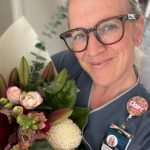
Endometriosis New Zealand has appointed leading gynaecologist and obstetrician Dr Sarah Fitzgibbon as the new Chair of its Clinical Advisory Committee.
At just 17, Arshia Jaiswal recently hosted her first market stall in Christchurch to raise awareness and funds for Endometriosis New Zealand.
Arshia was inspired to start her own fundraiser after noticing how little is understood about women’s health, particularly endometriosis.
Last month we welcomed the Government’s announcement that Health New Zealand will adapt the RANZCOG Australian Living Evidence Guideline: Endometriosis for use in New Zealand. This was a significant milestone and something Endometriosis New Zealand had strongly advocated for.
Endometriosis has been described for thousands of years, so why are patients with the condition still waiting an average of 10 years for a diagnosis? Te Whare Wānanga o Waitaha | University of Canterbury (UC) PhD student Katherine Ellis hopes her research will improve understanding of the mechanisms underpinning the disease and one day help predict which new treatments will be effective.
For many people living with endometriosis, questions about fertility can bring uncertainty, fear, and an overwhelming amount of conflicting information. While not everyone with endometriosis will experience infertility, concerns about future fertility are common and can have a significant emotional impact.
“I wasn’t believed because I hadn’t started my periods yet,” Nicole says. When her periods began a year later, her symptoms became “awful”.
Endometriosis New Zealand has welcomed the Government’s announcement that Health New Zealand will adapt the RANZCOG Australian Living Evidence Guideline: Endometriosis for use in New Zealand, calling it a major breakthrough for endometriosis care.
A third of endometriosis patients had been advised by a medical practitioner to become pregnant to relieve their symptoms, new research has found.
In England and Wales, new non-invastive tests for endometriosis are being rolled out. GPs will be able to recommend a saliva or gut electrical signal test as an initial diagnostic tool for endometriosis. Tanya Cooke, Chief Executive at Endometriosis New Zealand spoke to Ingrid Hipkiss.
A major shake-up in how the country’s largest health insurer approaches gynaecological care has practitioners and advocates worried about poorer outcomes for an already under pressure form of healthcare.
In a study involving 650 endometriosis patients, those who had no awareness of endometriosis when their symptoms began experienced a median diagnostic delay of 11 years, compared with nine years for those who knew about the condition.
New research from Endometriosis New Zealand and the University of Canterbury shows that almost half of endometriosis patients had never heard of the condition when their symptoms first began, contributing to significantly longer delays in diagnosis.