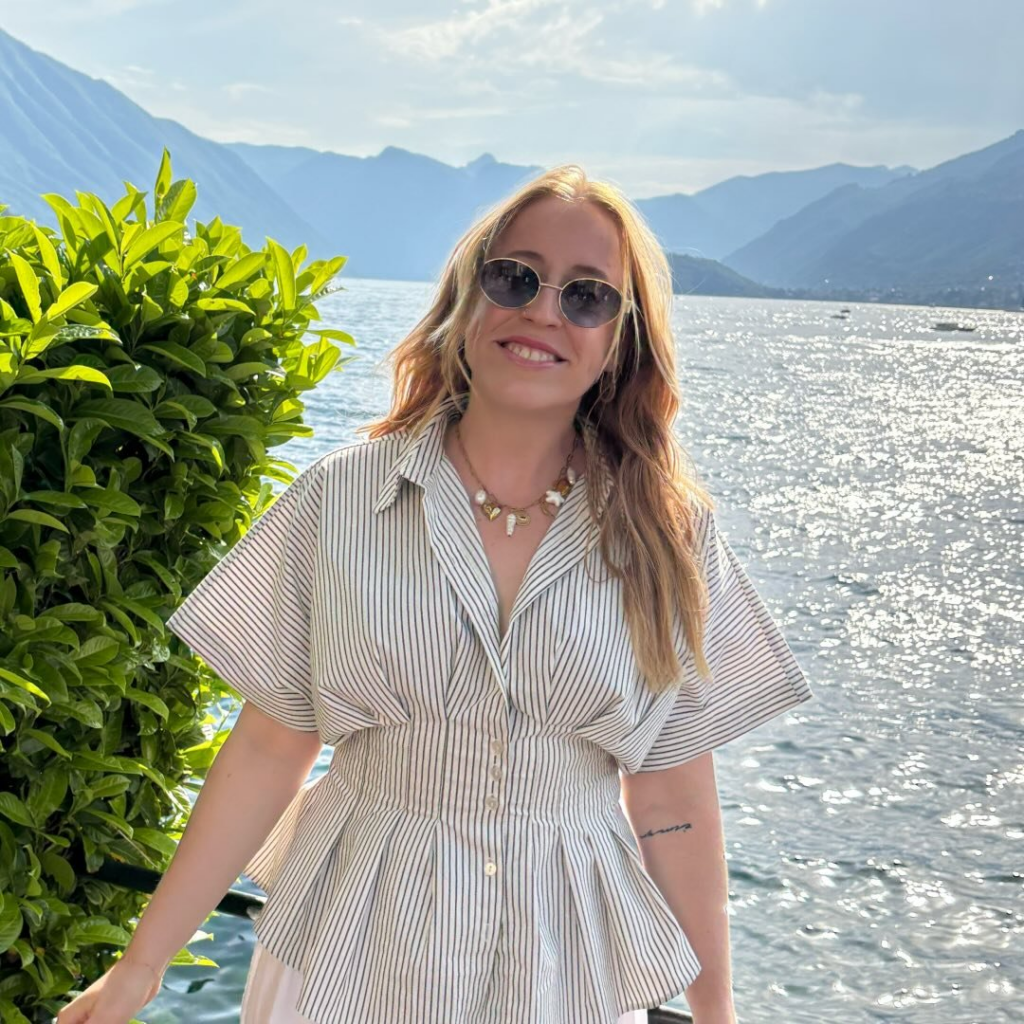
We sat down with 120 Challenger, Ruby Langstone, who is living with stage four endometriosis, to talk about her journey, the validation that came with finally receiving a diagnosis after years of misdiagnoses, and why she is passionate about raising awareness.
Diagnosis & Perspective
You’re living with stage four endometriosis. How did receiving that diagnosis change your understanding of what you’d been experiencing?
I felt extremely validated after receiving so many misdiagnoses for years and years. It is a really common shared experience that endo girls have, the constant feeling that you are making it up or the pain is normal. When I got told I had stage four endo, it was like being told I wasn’t crazy and all my concerns were validated.
Looking back, what do you wish more people understood about what endometriosis actually feels like day to day?
That endometriosis changes from person to person. Not only are the symptoms so different for each person but there are also different stages and pain levels (they don’t always correlate). I know people who have endo and it barely impacts them, then some who can’t work because of it.
The 120 Challenge
What inspired you to create the “120 Challenge,” and what does the number 120 represent to you personally?
I am pretty outspoken about my endo and the challenges I face because of it. I have shared my journey online and every few weeks someone will reach out saying “oh I think I have that” and ask for advice. Unfortunately, all I can do is recommend specialists I like and cross my fingers – a diagnosis can take years and years to receive and the lack of research makes getting proper help pretty difficult. To think 120,000 women in NZ have endo and there is zero government funding, is really depressing. I hope that by doing this challenge, I can help bring awareness to this issue and the need to fund research into womens health.
You’re committing to 10km a day — that’s a huge physical goal. How are you balancing pushing yourself with listening to your body?
This is a huge challenge for me, my endo flares more when I am exhausted + I am more likely to get injured with the added inflammation. Part of this challenge is about me showcasing what endo is and if that means documenting the tougher days with flareups, that’s just part of it. I am making sure to eat lots of food and rest lots to control what I can.
Your workplace is backing your efforts as well. How is Global Dairy Trade supporting your fundraising?
I feel incredibly grateful that the company I work for, Global Dairy Trade, is matching $2,000 in donations to support my fundraising efforts. It means so much to have that kind of backing from my workplace- not just financially, but in showing that they care about women’s health and the impact of endometriosis. Knowing that donations will be doubled up to $2,000 makes every contribution go even further.
You’ve said being kind to your body is very important. What does that look like for you during this challenge?
Remembering that the goal is to raise money. If I have to run really slow or break up my sessions or even walk some – so be it. I will be listening to what my body is saying and when I need to pull back.
What has training for this challenge taught you about strength — physically or mentally?
During my training, I got really sick which meant I wasn’t able to do the training I wanted. I think this taught me that strength is about adapting, listening to your body and knowing when rest is actually more productive than meeting a goal.
Advocacy & Impact
You’re raising funds for research in New Zealand. Why is research funding so important to you?
The fact that it takes women roughly 8-10 years to get diagnosed is ridiculous. I have been posting about this illness for years and have received so much feedback that it’s ‘just a period’ or ”not that bad’. Endometriosis has impacted so much of my life and the lives of others with this illness, I want more people to be aware of it and demand change so that girls don’t have to wait so long to get answers and so that there are better treatment options available.
If your challenge could change one thing about how endometriosis is understood in Aotearoa, what would you hope that is?
That it’s not even just about the pain we suffer from. The chronic fatigue, constant inflammation, nausea, impacts on mental health, relationships and work, are also major factors. This doesn’t impact me once a month, it impacts pretty much everyday for me and mine isn’t any where near as bad as some. Still, treatment can feel like a guessing game – trying new diets, pills, hormone therapy and having to give it six months (while in this time your endo can get much worse), before getting suggested a different option that again might not help.
What would you say to someone who has been told their symptoms are “just bad cramps”?
I would say that I am sorry and that I know just how much endometriosis can impact your life. While it is saddening that there are 120,000 kiwis with endo, we also have a big group of endo warriors who can help each other feel seen and not alone.
How can people best support you and the wider endometriosis community during this challenge?
Get involved. If you can’t donate, support us by showing up and offering to help out. I have the best support from friends just checking in to see how it’s going and making sure I am ok.