


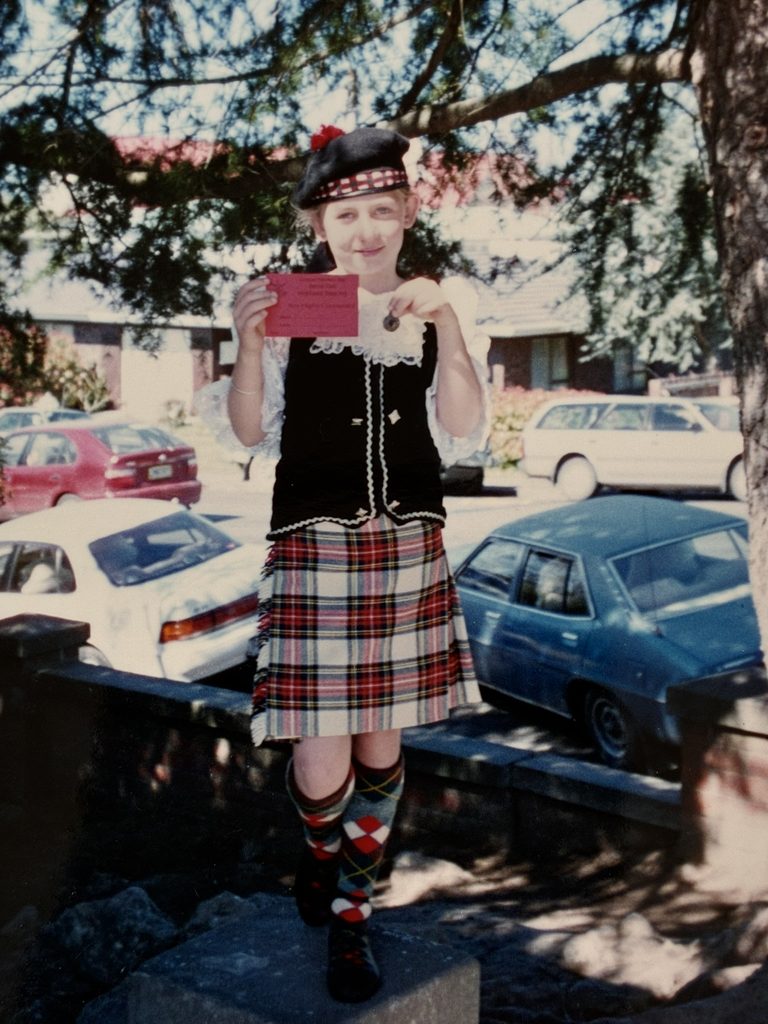
Zarah was still in her final year of primary school when she experienced a severe bladder infection that resisted antibiotics and lasted a month. Not long after, she began getting painful, heavy periods, adding to the health challenges she was facing at such a young age.
At an age when she should have been free to focus on being a child, Zarah was already dealing with significant health concerns.
When she first visited her GP looking for ways to manage her periods, she was advised to start contraception, with no further discussion or investigation into what might be causing her symptoms.
At the age of 19, Zarah had an unexpected pregnancy and delivered a healthy baby boy.
Her periods remained heavy, but her symptoms were primarily cyclical, which meant she was able to predict when this would happen. This meant Zarah’s quality of life was high and she could cope with any pain and fatigue and give her son the best possible childhood.
In the years that followed, Zarah continued to experience symptoms that were repeatedly dismissed as stress, anxiety or simply normal for women.
“I was left questioning my own experiences and wondering whether what I was feeling was really as significant as it seemed. When you hear for long enough that nothing is wrong, it becomes difficult to trust your own body.”
It was in her late 20s, Zarah decided to completely come off contraception to better understand the severity of her symptoms. She describes this as the point when everything spiralled.
“I was experiencing continuous UTIs, kidney infections and, kidney stones, all while continuing to feel increasingly unwell. I was visiting my GP frequently in the hope of finding answers.”
During this difficult time, Zarah maintained a full and busy life, while juggling disappointing doctor appointments. Specialist referrals were perpetually rejected through the DHB with doctors continuing to diagnose stress and burnout which is when Zarah sought counselling. Part of their advice was to add regular exercise into her routine. This is when she discovered her love for aerial arts, which would play a significant role in helping her reconnect with herself.
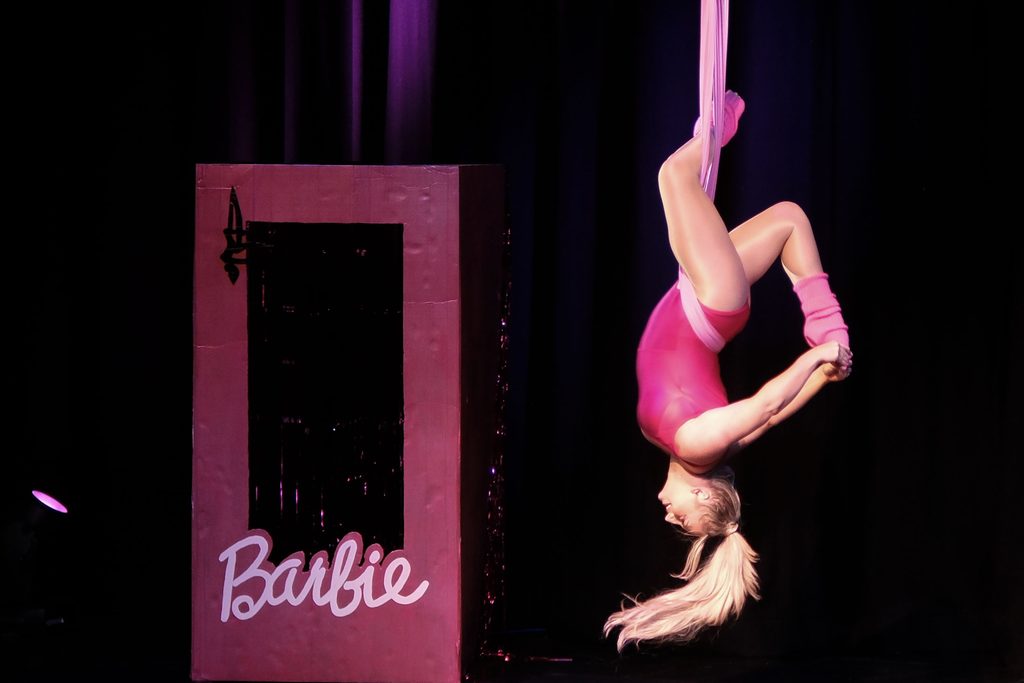
“Counselling helped me understand my emotions and trust my own experiences, while aerial arts gave me a sense of confidence, identity and connection with my body beyond the pain.”
“Together, they helped me learn to listen to my body rather than dismiss it and gave me the confidence to keep pushing for answers when I knew something wasn’t right.”
In June 2025, after years of worsening pain and a range of symptoms, Zarah was determined to find answers. She met with a nurse practitioner who, she says, was the first to really listen, take the time to understand her health history and consider the bigger picture, rather than treating each symptom in isolation.
This appointment led to a referral for an endoscopy and colonoscopy. Zarah underwent her first procedure, during which 26 sessile serrated polyps were removed. She was subsequently diagnosed with serrated polyposis syndrome (SPS).
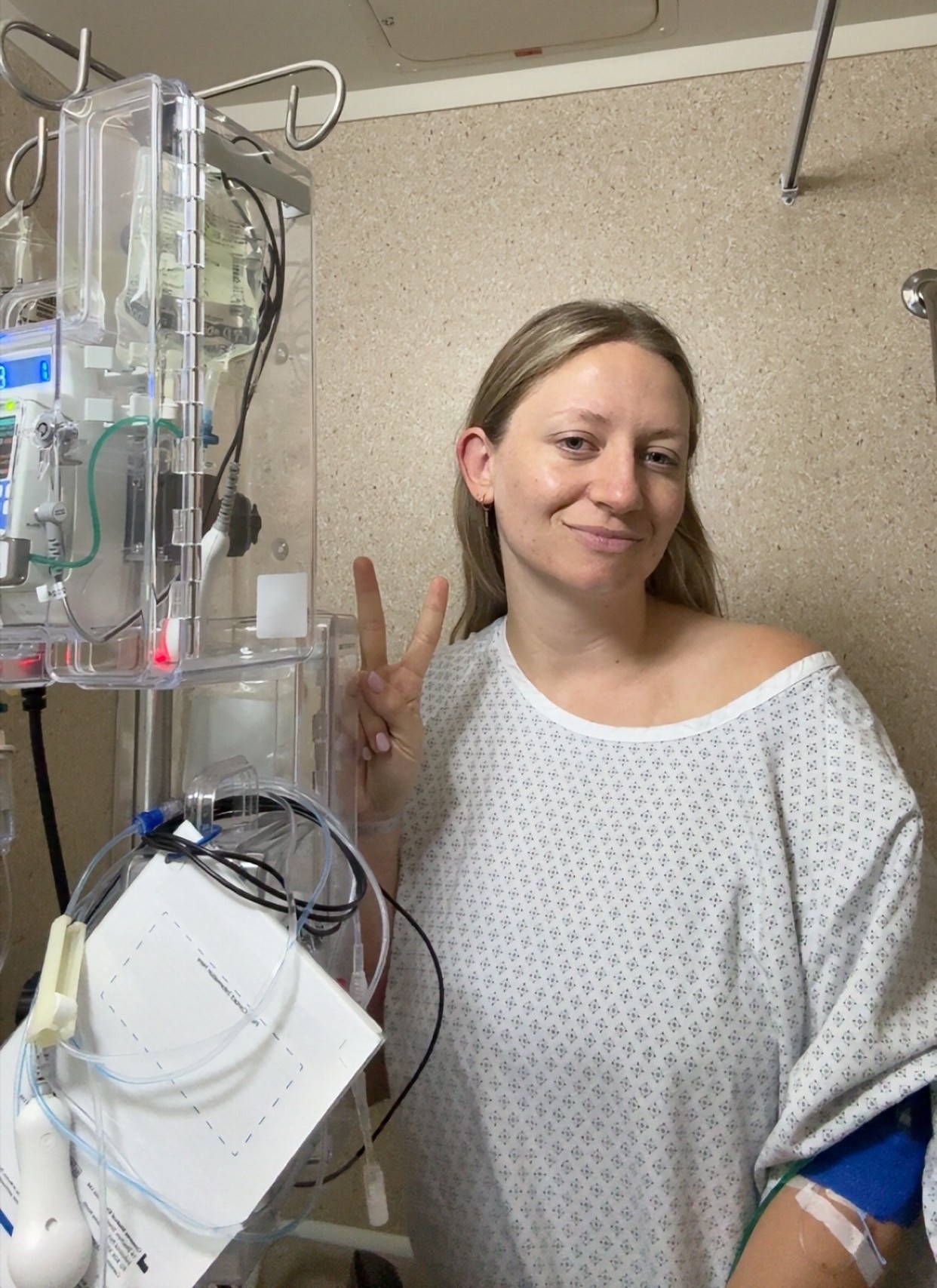
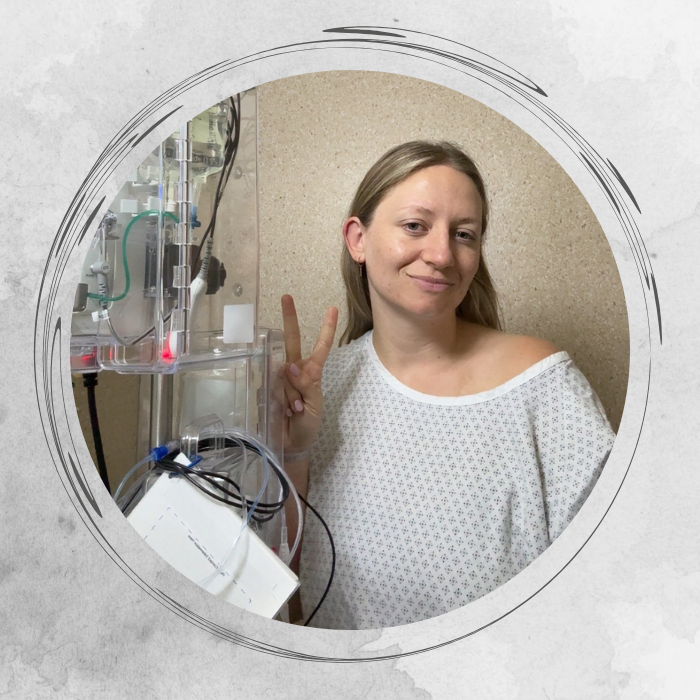
Following the colonoscopy, Zarah experienced escalating and debilitating pain with frequent visits to the emergency department. She bounced between ED and the doctors with no further answers. This ultimately led to a referral and laparoscopic surgery in October 2025.
“That surgery changed everything. I was diagnosed with extensive stage 4 deep infiltrating endometriosis, with significant disease affecting multiple areas of my abdomen and pelvis, alongside extensive adhesions.”
“After years of being told my symptoms were stress-related or normal for women, I finally had an explanation for what I had been experiencing.”
Zarah describes the compassion of her surgical team and the experience of having her pain acknowledged as incredibly powerful.
“It was a relief to finally be believed but also confronting to understand the extent of what had been happening inside my body.”
Since then, Zarah’s health journey has been far more complex than she could have imagined. Alongside endometriosis and SPS, she has been navigating adenomyosis, SIBO, chronic pain and central sensitisation, as well as other health concerns requiring ongoing investigation and treatment.
“In the last year alone, I have undergone five surgeries and experienced more than 10 significant hospital admissions, some lasting up to 14 days. I have spent much of this time managing debilitating pain, undergoing further procedures and trying to find a way to live with a body that no longer functions as it once did.”
Zarah describes one of the hardest parts of living with endometriosis as grieving the physical capabilities and independence she once took for granted.
“My mind often remembers what my body used to be capable of, and I still struggle with wanting to push through because I miss that version of myself. I am learning that listening to my body also means respecting its limits, even when that is incredibly difficult.”
Zarah doesn’t want to be defined by her conditions, the procedures she has undergone or the toll they have taken on her body. Instead, she speaks of how her experiences have taught her to trust herself and continue advocating for herself when something doesn’t feel right.
“I hope that by sharing my experience, I can help other women recognise that their pain deserves to be taken seriously. No woman should have to spend years questioning herself because she has been told her symptoms are normal or simply stress.”
Speaking to the endometriosis community as a whole, Zarah says, “We deserve to be heard, investigated and supported before our conditions reach a point where they significantly impact every aspect of our lives.”
Zarah hopes to highlight that endometriosis doesn’t necessarily end with a diagnosis or surgery.
“For some of us, it is the beginning of a much longer journey involving chronic pain, further treatment, rehabilitation and learning to navigate a very different life. Access to appropriate, ongoing and multidisciplinary care is so important.”
Zarah hopes for a world where young girls experiencing these debilitating and frightening symptoms no longer have to navigate menstrual health, pain, bleeding and endometriosis as taboo subjects. She wants to see increased accessibility to relevant education and resources from an early age, and for doctors to ask more questions so that endometriosis can be recognised and diagnosed sooner.