For many people living with endometriosis, questions about fertility can bring uncertainty, fear, and an overwhelming amount of conflicting information. While not everyone with endometriosis will experience infertility, concerns about future fertility are common and can have a significant emotional impact.
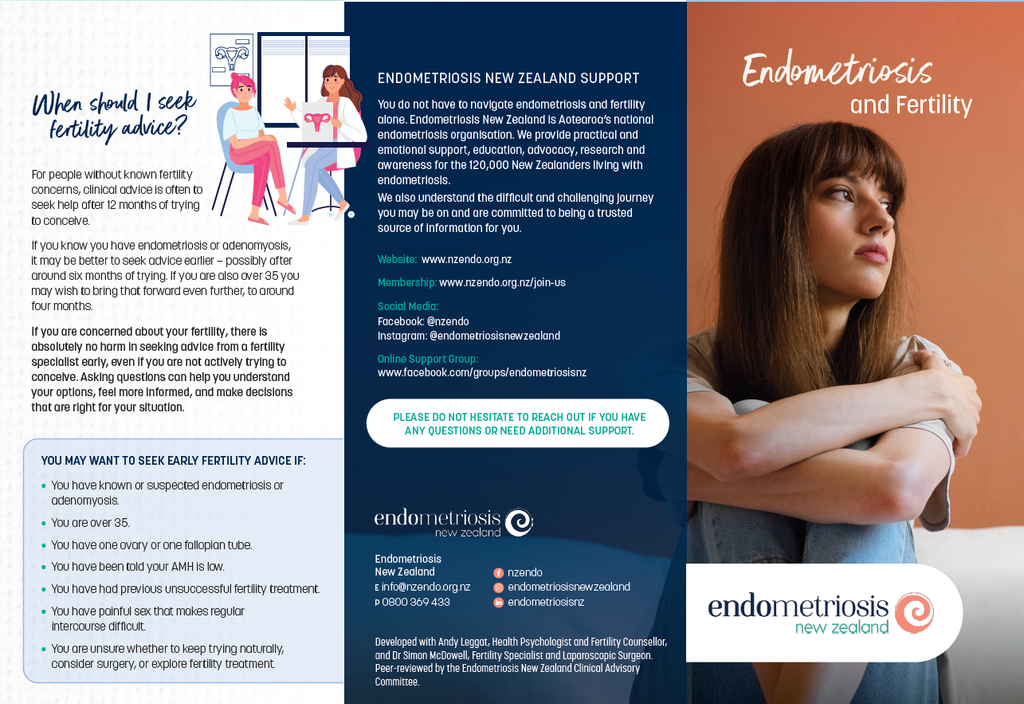
To help people better understand the relationship between endometriosis and fertility, Endometriosis New Zealand is pleased to launch its new Endometriosis and Fertility Resource.
Developed in collaboration with fertility and endometriosis specialists, and peer reviewed by the Endometriosis New Zealand Clinical Advisory Committee and people with lived experience, the resource provides evidence-based information to help people understand how endometriosis may affect fertility, what investigations and treatment options are available, and how to advocate for their reproductive health.
Fertility concerns begin long before trying to conceive
For many people, fertility worries begin well before they are ready to start a family.
Some receive little information at diagnosis, while others spend years wondering whether their symptoms or delayed diagnosis may have affected their future fertility.
For Tae, those questions became an ongoing part of living with endometriosis.
“When I was diagnosed with Stage 4 endometriosis at 30, one of the hardest things I heard was that I had a 25% chance of conceiving naturally and that IVF would likely be my best chance of becoming a mum. Hearing those words was heartbreaking. It felt like my future had been mapped out before I’d even had the chance to try.”
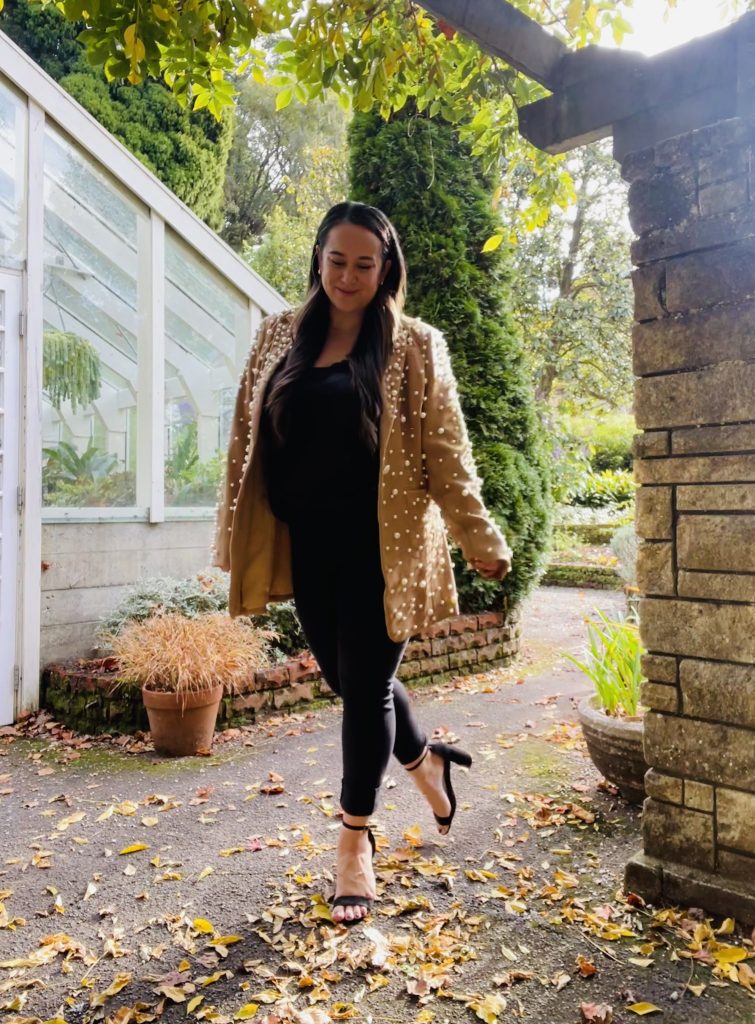
Like many people with endometriosis, Tae found herself navigating uncertainty while trying to balance hope with the realities of living with a chronic condition.
She says that access to clear, evidence-based information can provide reassurance, help people feel less alone, and empower them to make informed decisions about their options.
“When you’re living with endometriosis, it’s easy to feel isolated. Having access to trustworthy information and hearing real experiences from others can make such a difference. Sometimes, simply knowing someone else understands what you are going through can make anyone feel a little less alone.”
The relationship between endometriosis and fertility is complex
Although endometriosis can affect fertility for some people, it is important to remember that many people with endometriosis conceive naturally.
The relationship between endometriosis and fertility is complex and varies from person to person depending on factors such as age, the extent and location of disease, ovarian reserve, and other reproductive health factors.
Understanding these individual circumstances is one reason why personalised medical advice is so important.
The new resource explains:
- how endometriosis may affect fertility
- when to seek medical advice
- what happens during a fertility assessment
- what fertility options are available
- pain, sex, and trying to conceive
- questions to ask your healthcare team
- emotional wellbeing and support throughout the journey.
Rather than providing one-size-fits-all answers, the resource aims to help people make informed decisions alongside their healthcare providers.
Every fertility journey is different
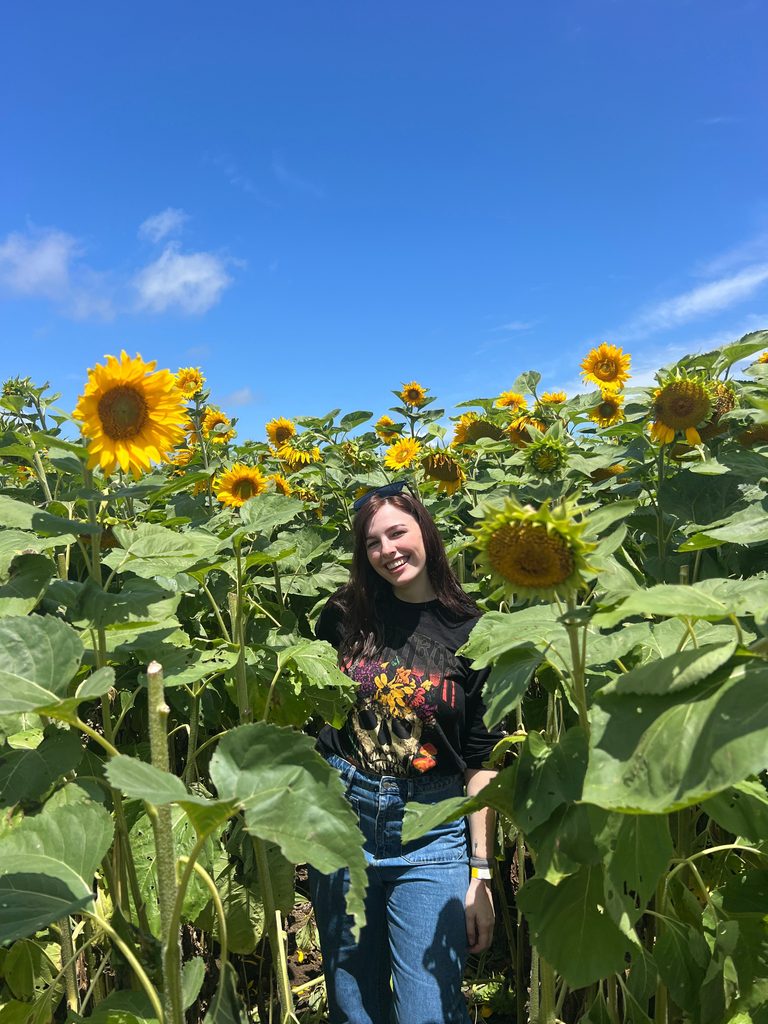
For Lauren, fertility was a journey that looked very different from what she had expected.
“It’s not a ‘one size fits all’, and not everyone with endometriosis will necessarily have fertility issues.”
Lauren also describes how difficult pregnancy announcements and seeing other people’s babies could be.
“We would be so happy for others but grieve our own journey.”
Whether experiences involve trying to conceive naturally, fertility treatment, pregnancy loss, choosing not to have children, or living with uncertainty, every person’s story is unique.
Lauren was also involved in the development of this resource.
“I felt privileged to be a part of this and share my lived experience and knowledge to support the development of this resource.”
She believes the resource will be valuable for anyone who is worried about fertility or is currently navigating their own journey, and hopes that by sharing her experience, others will feel less alone.
Lauren’s story is a reminder that behind every statistic is a person navigating decisions that are often deeply personal, emotional, and complex.
Access to trusted information matters
Searching online for information about endometriosis and fertility can often lead to conflicting advice or alarming statistics without context.
Having access to evidence-based resources can help people better understand the current evidence while recognising that every individual’s circumstances are different.
The Endometriosis and Fertility Resource was created to provide balanced, reliable information that empowers people to ask questions, understand their options, and make informed decisions alongside their healthcare team.
It also acknowledges the emotional aspects of fertility, recognising that feelings of grief, hope, frustration, uncertainty, and anxiety are all valid parts of the journey.
A resource created with both clinical expertise and lived experience
One of the strengths of the new resource is that it combines clinical expertise with lived experience.
The content was developed in collaboration with Andy Leggat, Health Psychologist and Fertility Counsellor, and Dr Simon McDowell, Fertility Specialist and Laparoscopic Surgeon. It was peer reviewed by the Endometriosis New Zealand Clinical Advisory Committee, while people with lived experience helped ensure the information reflects the real questions, emotions, and challenges faced by the community.
This collaborative approach helps ensure the resource is not only medically accurate but also practical, compassionate, and relevant to the people it is designed to support.
You’re not alone
Whether you’re thinking about having children in the future, currently trying to conceive, exploring fertility treatment, or simply looking for answers, having endometriosis can make the path feel uncertain.
While everyone’s experience is different, access to trusted information and supportive healthcare can help people feel more informed and empowered throughout their journey.
Since sharing their stories, Lauren has celebrated one year of motherhood as her child turned one, and Tae is currently pregnant. While these are joyful milestones for them, they also recognise that every fertility journey is deeply personal and can look very different from one person to another. Their hope is that this resource helps others feel informed, supported and less alone, wherever they are on their own journey.
Endometriosis New Zealand hopes this new resource provides reassurance, practical guidance, and a starting point for conversations with healthcare professionals, loved ones, and support networks. Access the new Endometriosis and Fertility resource today and learn more about understanding your fertility options while living with endometriosis.