


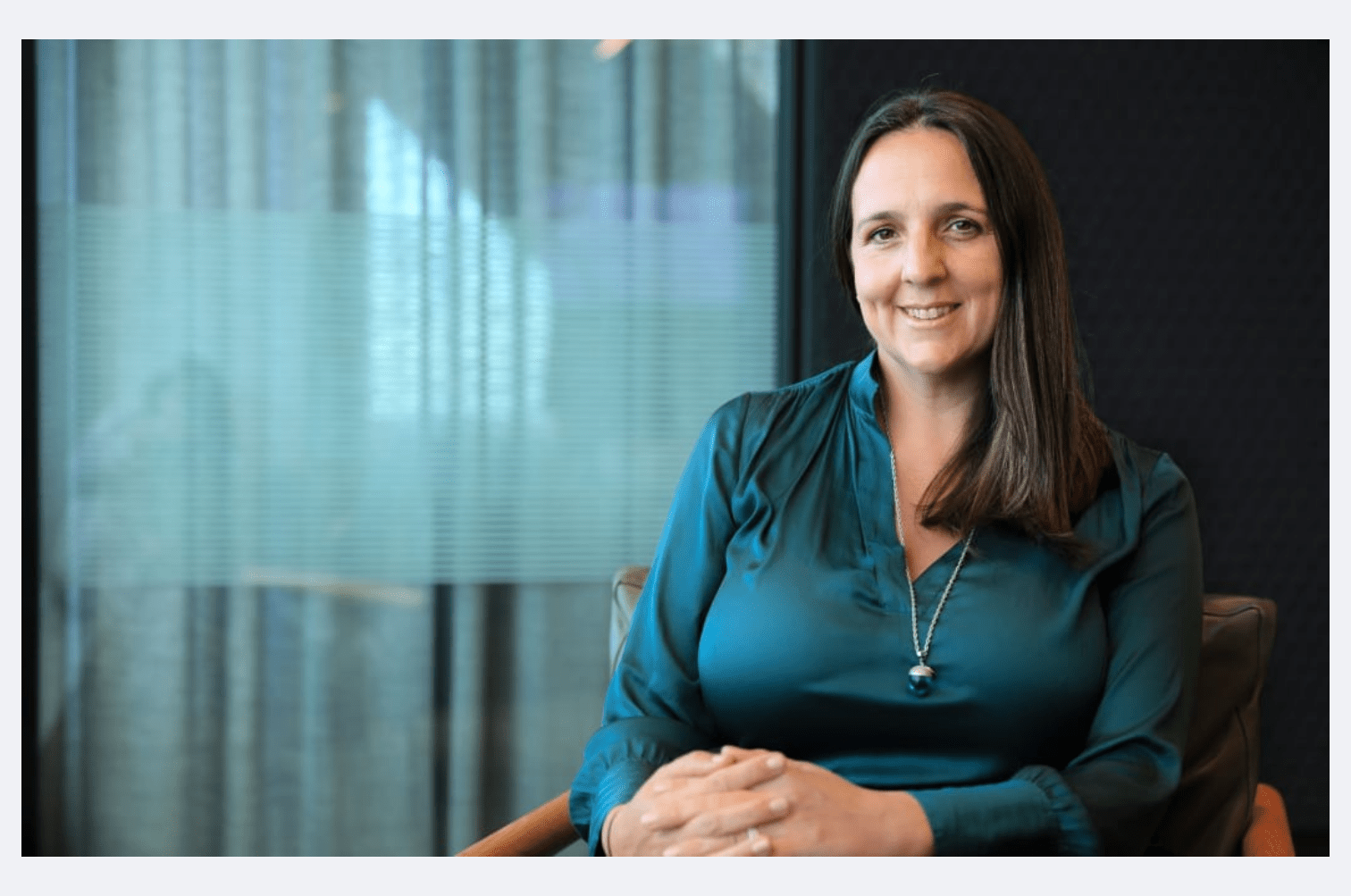
By Tanya Cooke, Chief Executive of Endometriosis New Zealand.
Too many people with endometriosis are still forced to choose between managing their health and protecting their career. They push through pain, exhaustion and uncertainty, often keeping quiet because they worry speaking up will affect how they are seen at work and the security of their job.
Our theme for this year’s Endometriosis Awareness Month was, Your Story Shaping Our Future, a reminder that listening to those with endometriosis is not simply about raising awareness. It is about paying attention to what those stories are telling us and using them to help improve the lives of those living with the condition, including in the workplace.
Endometriosis affects at least 120,000 New Zealanders and can cause symptoms including, but not limited to, severe pelvic and period pain, fatigue, bowel and bladder problems, heavy bleeding, and brain fog.
The public conversation about endometriosis is heavily focused on diagnosis and treatment. Those things matter, but they are only part of the picture. The stories people share show just how deeply endometriosis affects daily life, including the ability to work, build a career and contribute fully to workplaces that may still not understand the condition well enough.
For many of us, work is where we spend a huge part of our lives. It is often much more than just a means of supporting ourselves and our families. Yet for those living with endometriosis, work can also be a place where they feel pressure to push through, stay silent, or hide the real impact of their symptoms. Because endometriosis is often invisible, people can be very good at masking just how much they are struggling.
92% of respondents to a 2023 survey of endometriosis in the workplace said it was challenging to manage their symptoms at work. 66% said workplace stress negatively affected their symptoms and 48% had had to take unpaid leave to help manage their condition. Other research has found that one-in-three people with endometriosis have missed out on a promotion because of the condition, while one-in-six have lost a job because of it.
The stories behind these statistics are just as telling – people trying to work through bad days in significant pain, hiding their symptoms, and feeling a lack of understanding and support.
When people tell us they are afraid to raise their health condition because they do not want to be seen as unreliable, difficult or less capable, we should not brush that off. We should recognise it as a sign that many workplaces still have work to do to provide their staff with the appropriate support.
The encouraging thing is that supporting those with endo is actually pretty straightforward. Employers do not need to become medical experts, but they do need to listen and be open to working with staff on sensible solutions.
That might mean flexible hours, shorter or adjusted shifts, the option to work from home on difficult days, time off for medical appointments, or temporary changes to duties and workload. It might mean easier bathroom access, changes to workstations, permission to use heat packs, or simply recognising that someone may need different support at different times as they navigate their endometriosis journey.
Colleagues matter too. Workplace culture can be just as important as formal policy. That means not dismissing someone’s pain, not making assumptions because they ‘look fine’, and understanding that a person granted flexibility is not getting ‘special treatment’. In many cases, that understanding is what allows someone to remain in work and continue making a positive contribution to the organisation.
At its heart, assisting those with endometriosis in the workplace is about showing compassion and common sense. People should not have to deal with pain in silence because they are afraid of losing their job.
For practical guidance on managing endometriosis in the workplace, including resources for employees, employers, managers and colleagues, as well as a template Endometriosis Workplace Policy, please visit: https://nzendo.org.nz/resources.